Why Emotional Wellness is Just as Important as Physical Health

You can count steps and test blood pressure, yet the body is listening to feelings just as closely. Emotional wellness shapes sleep, decisions, digestion, pain, and even immune function. When mood steadies, daily health choices get easier in independent living.

Start with a morning scan. 

Ask three quick questions and write the answers. How rested am I from zero to ten. What is one word for how I feel.What one small action will move the day forward. A week of notes reveals patterns you can work with.

Build connections on purpose. 

Humans co-regulate. Call a friend while walking, join a class, or volunteer once a week. If public calendars from retirement communities Centennial appear in your search, use them for lectures and clubs that welcome neighbors. You are not signing up for housing. You are finding open doors.

Move for mood. 

A gentle routine signals safety to the nervous system. Try a ten minute walk after meals, a few chair squats by the kitchen counter, and slow breathing with a longer exhale. Four counts in and six counts out is a simple place to start.

Fuel stability. 

Eat protein at breakfast, drink water before coffee, and add colorful plants to most meals. Keep a small snack in your bag so choices are made before a dip in energy. Limit alcohol on stressful days since it disrupts sleep and rebounds mood the next morning.

Set kind boundaries. 

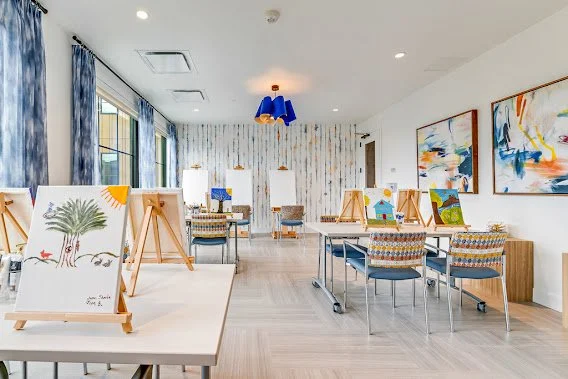
Limit late night news, mute a few alerts, and give your hobby fifteen minutes most evenings. Puzzles, music, sketching, or tending plants can turn down the volume on stress without needing a perfect block of time. Protect your bedtime like a standing appointment and charge devices away from the bed.

Ask early, not only in crisis. 

Primary care, therapists, and support groups are for maintenance as much as repair. If sleep is off for two weeks, if worry is crowding out pleasure, or if grief is sticky, reach out. You deserve support before the cliff. Many clinics now offer short skills groups that teach breathing, thought reframing, and pacing.

Track the whole picture. 

Pair your step count with mood notes and sleep hours. Over a month you will see how social time, movement, and food shape your energy. Keep a tiny joy list in the fridge. Ten ideas that lift your spirits in ten minutes make hard days more workable. End the day by writing three true gratitudes. Training attention toward what helps is not denial. It is balanced.

Emotional wellness is a set of skills. 

Practice them on an ordinary Tuesday and they will be there on a difficult one. Your heart, brain, and relationships in senior living Centennial will thank you for the steady care.

How to Perform a Breast Self-Exam After 60

Bodies change across a lifetime, and self-checks should change with them. After 60, medications can alter how tissue feels. The goal is simple. Know your normal and notice what is new even in independent living.

Pick one monthly date. If you no longer track cycles, choose the first day of the month or a birthday number. Put it on a calendar in your retirement communities Centennial so the habit sticks.

Use the mirror from three angles. Stand with arms relaxed. Look for dimpling, puckering, rashes, color changes, or a nipple that turns inward when it did not before. Raise your arms and look again. Press hands to hips to tighten chest muscles and check one more time. Bright light helps older eyes catch detail.

Feel every zone in a pattern. In the shower, soap your fingers and use the pads of three middle fingers. Move in small circles across the entire breast area, from collarbone to bra line and from sternum to armpit. Try a second pass while lying down with a small pillow under the shoulder and the arm behind your head. That position spreads tissue so deeper areas are easier to feel.

Vary your pressure. Use light, medium, and firm pressure at each spot so surface and deeper tissue get attention. Pick a pattern you can remember, such as circles, lines, or pie slices, and keep it the same each month.

Adapt for comfort and mobility. If arthritis limits reach, sit and support the elbow on a towel or table. A fragrance free lotion reduces friction if dry skin is an issue. A small handheld mirror helps you see the underside and skin folds.

Know your red flags. A new hard lump, a growing area of thickening, persistent one sided pain, discharge that appears on its own, crusting, sudden swelling, warmth, or redness across most of the breast should be shared with a clinician. Many findings are benign. The point is to notice and report.

Screening still matters. Keep up with mammograms and clinical exams as advised for your history and overall health. If you have dense tissue, ask whether supplemental imaging is right for you. If previous results were unclear, mark the date for follow up so it is not lost in the shuffle.

Keep records. Write a quick note after each check. Over several months you will see patterns and feel more confident. If you need neutral education, search phrases like senior living Centennial to find general checklists without committing to any provider. Share your notes at appointments so your care team sees what you feel at home.

Special cases deserve a plan. 

  • If you have implants, ask how to focus on the edges where tissue meets the implant. 

  • If you take blood thinners, use a lighter touch to avoid bruising. 

  • If you are on hormone therapy, expect normal shifts across the year.

The self exam is not about fear. Ten calm minutes once a month builds the skill and protects your peace of mind.

How to Create a Home That Supports Aging in Place

Home should do some of the work for you. A few smart changes in senior housing Fort Collins can turn daily tasks into easy routines while reducing fall risk and strain. The idea is to make the safer choice the effortless one and to place helpful tools exactly where they are needed.

Light the paths you use most. 

Add night lights from bed to bathroom, a lamp by the favorite chair, and a switch you can reach without stretching.Choose warm, bright bulbs so reading and medication labels are easier on the eyes. Keep curtains open during the day to boost mood and alertness.

Simplify the floors. 

Remove loose rugs, tape down cords, and keep walkways at least three feet wide. Stable shoes with firm soles beat slippers that slide. A small bench near the door makes putting on footwear steadier.

Tune the bathroom for safety. 

Install grab bars by the toilet and in the shower. A handheld showerhead and a shower chair make bathing less tiring. Non slip mats belong inside and outside the tub. Store towels within easy reach so you avoid twisting.

Make the kitchen work like a helper. 

Place everyday plates, cups, and pans between shoulder and knee height. Use a lightweight electric kettle, an anti fatigue mat by the sink, and utensils with comfortable grips. A lazy Susan keeps spices visible, and clear bins group breakfast items for quick mornings.

Build a restful bedroom. 

Choose a mattress height that allows both feet to land flat when sitting. Keep a water bottle, tissues, and a phone or call button on a sturdy bedside table. If you take medications at night, set a simple reminder and use a weekly pill organizer.

Prepare for moments when you need support. 

Post important numbers on the fridge. Keep a small go bag with a medication list, insurance card copies, and a light sweater for unexpected appointments. A door peephole in senior apartments and a well placed lock add peace of mind.

Use technology that feels friendly. 

Voice assistants set timers, create grocery lists, and turn on lamps. Video doorbells reveal visitors before you open up. Medical alert wearables can contact help if a fall occurs.

Smooth the entrances. A ramp with side rails, a contrasting stair edge strip, and motion lights at the doorway make comings and goings easier. Place a sturdy table for packages so you are never juggling keys and bags on the step.

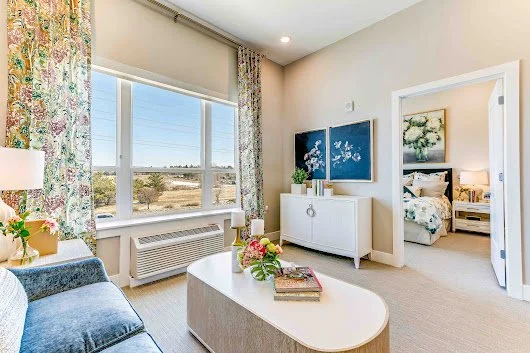
Create small social zones. A pair of chairs by a window, a puzzle table near the kitchen, or a garden stool by the planters invites short visits and light movement during the day.

Local tip: communities connected with senior living Fort Collins often host home safety checks, lamp rewiring days, and grab bar installations at reduced cost. Whether you bring in a professional or tackle one room each weekend, incremental updates add up to a home that quietly supports how you want to live.